
Drug Lab / Crime Scene Cleanup
Crime Scene Cleanup – EcoPro
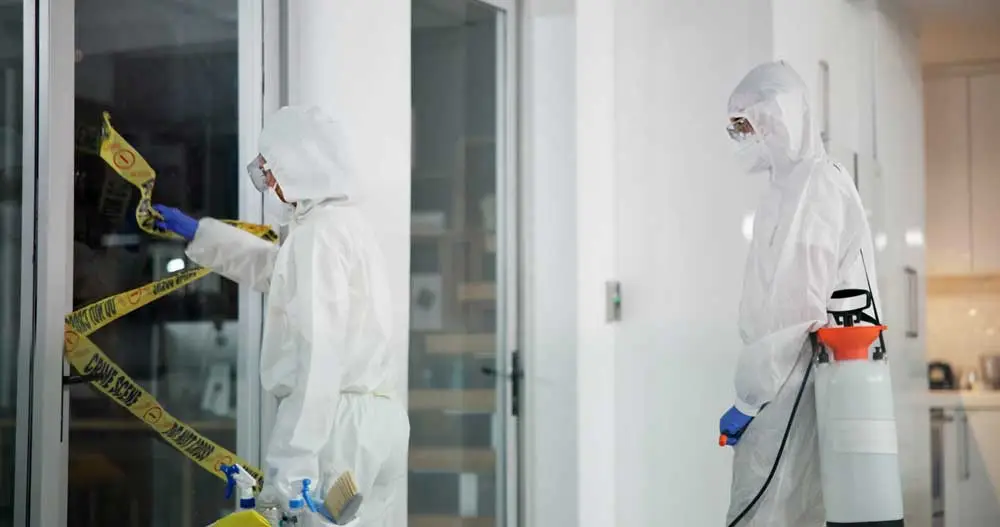
EcoPro’s crime scene cleanup services deliver professional, compassionate restoration after distressing events. Our certified technicians manage homicide, suicide, industrial accidents, and hazardous material incidents with sensitivity and technical precision. EcoPro uses advanced containment and decontamination systems to eliminate all biohazards, restore safety, and adhere to local regulations. Clients receive confidential support, insurance claim assistance, and fast recovery, returning their property to a healthy, livable state. For reliable, responsive crime scene cleaning, choose EcoPro—trusted nationwide for emergency restoration
Drug Lab & Crime Scene Clean-up FAQs
What is drug lab and crime scene clean-up?
Drug lab and crime scene clean-up is a specialized service that involves the safe removal of hazardous substances, biological materials, and contaminants from properties where illegal drug manufacturing, accidents, or crimes have occurred. It restores safety for residents and the community.
Why is professional clean-up necessary after a drug lab or crime scene?
Professional clean-up minimizes health risks from exposure to toxic chemicals, bloodborne pathogens, and infectious materials. Experts use PPE and regulated disposal methods and follow strict protocols to ensure legal compliance and thorough decontamination.
What hazards are present after drug manufacturing or traumatic events?
Hazards may include toxic chemicals (methamphetamine, fentanyl, solvents), biohazardous materials (blood, bodily fluids), illicit drug residues, sharp objects, and cross-contamination to walls, flooring, and furniture.
What steps are involved in the clean-up?
Cleanup typically includes:
- Site assessment and containment
- Removal of hazardous substances and debris
- Detailed cleaning and decontamination
- Air and surface testing
- Safe disposal in certified facilities
- Restoration and final inspection.
How long does the clean-up process take?
Duration depends on contamination severity and area size. Simple scenes may be resolved in a day, while complex drug labs or crime scenes may take several days for complete remediation and verification.
Is it safe to enter a property before clean-up is complete?
No, it is unsafe. Exposure to toxins or biohazards is possible until professional remediation has been finished and safety confirmed. Authorities may restrict access until the property is certified safe.
Who performs these specialized clean-ups?
Highly trained professionals with certifications in biohazard and hazardous chemical remediation conduct drug lab and crime scene clean-up. These specialists follow OSHA, EPA, and local health department standards.
Is the process covered by insurance?
Many policies cover damage and remediation costs for insured hazardous events, but coverage varies. Consult your policy and insurance agent for details on eligibility and documentation.
Can odors or stains be fully removed?
Professionals use industrial-strength cleaners, deodorization methods, and advanced restoration tools to eliminate hazards, odors, and visible stains. Some structural repairs may be needed for full restoration.
What documentation is provided after clean-up?
After completion, certified remediation companies provide documentation and clearance reports confirming the property is safe for occupancy, including inspection and testing results, for your records and legal needs.